

How to Calculate a Construction Loan to Build Your Dream Home
Unlike traditional mortgages, construction loans are designed to fund projects that have yet to be completed. In this blog post, we'll delve into the mechanics of a construction loan, helping you understand how it functions, the calculations involved, and what makes it different from other types of financing.
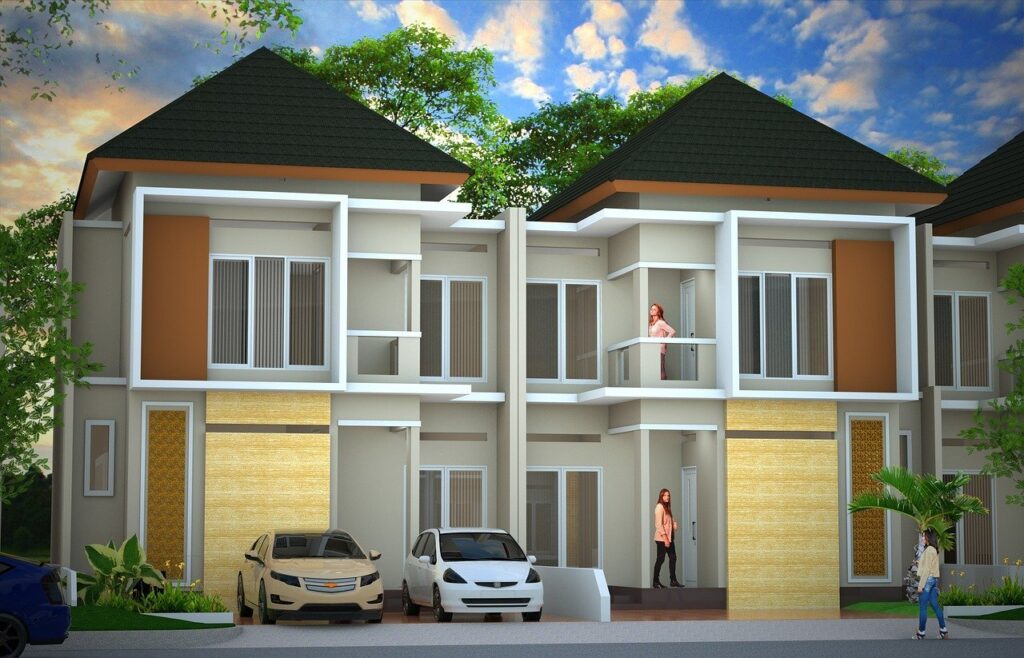
Whether you’re planning to secure a construction loan to build your dream home or undertake a major renovation project, learning how to calculate the costs involved can help you budget and plan more effectively.
Understanding Construction Loans: Essentials and Functionality
Construction loans are specialized financial products designed to fund the building or significant renovation of a property. Unlike traditional mortgage loans, which are typically issued for purchasing already-built homes, construction loans cater specifically to the unique financial needs of new construction or major remodeling projects. These loans are typically short-term with higher interest rates than regular mortgages, reflecting the increased risk associated with construction projects.
A crucial feature of construction loans is their disbursement schedule. Funds are not released all at once but rather in accordance with the project’s progression, often tied to predetermined construction milestones. This draw schedule ensures that funds are available as needed while also providing a mechanism for lenders to monitor the project’s progress. Understanding the structure and purpose of construction loans is key for anyone looking to finance a building project, ensuring they are prepared for the different aspects and requirements of this loan type.
Key Components of a Construction Loan
Understanding the fundamental elements of how a construction loan works is crucial for prospective homeowners and developers. A construction loan typically involves several key components:
Loan Amount: This is the total sum borrowed for the project. The amount is usually determined based on the projected cost of the construction plus any additional expenses.
Interest Rates: Construction loans often have variable rates that are higher than traditional mortgage loans due to the perceived risk involved. The rate affects how much interest you’ll pay until the loan converts into a permanent mortgage.
Loan Terms: These specify the duration of the loan and the schedule for releasing funds to the builders. Terms can vary widely but generally align with key construction milestones.
Interest-Only Payments: During the construction phase, borrowers are typically required to make interest-only payments. These payments are based only on the portion of the loan that has been disbursed, which helps manage cash flow during construction.
Calculating the Interest Payments
Understanding how interest payments are calculated during the construction phase is crucial for managing the overall cost of a construction loan. Typically, these loans require interest-only payments until the project is completed. The interest is calculated on the amount of money that has been disbursed, not the total loan amount approved. For instance, if a borrower has a construction loan of $500,000 but only $100,000 has been drawn for the initial phase of a specific project, interest payments are calculated based on the $100,000.
To calculate the monthly interest payment, multiply the disbursed amount by the annual interest rate and then divide by 12 (the number of months in a year). For example, if the $100,000 has an interest rate of 4%, the monthly interest payment would be approximately $333.33. This calculation helps borrowers plan their finances by understanding the incremental cost as construction progresses.
Ways to Estimate Total Loan Costs
Calculating the total cost of a construction loan involves more than just accounting for the borrowed money and interest payments. Prospective borrowers should consider various additional costs that can accumulate during the construction process. These include loan origination fees, closing costs, and potential charges for late construction completion or modifications to the original loan agreement.
To accurately estimate the overall financial commitment, add up all anticipated expenses including the interest payments calculated on the progressively disbursed loan amount. For example, if $50,000 is disbursed initially at an interest rate of 5% per annum, the interest for this portion of the year would be $2,500. As construction progresses and more of the loan is disbursed, subsequent interest calculations should be adjusted accordingly.
Leveraging tools such as construction loan calculators can be helpful. These calculators allow you to input different variables like loan amounts, terms, and rates to see a comprehensive breakdown of payments and total costs over the loan’s life.
Transitioning from Construction Loan to Permanent Loan
Transitioning from a construction loan to a permanent loan, often referred to as a “take-out” loan, is an important phase in financing your dream home. Once the construction phase is completed, the construction loan must be settled. Typically, this is done by converting the construction loan into a standard mortgage. This conversion process involves new terms, which may differ significantly from the initial arrangement, particularly concerning the loan’s interest rate and repayment period.
During the conversion, the total loan amount is typically rolled over into a mortgage loan with a longer amortization period, commonly up to 30 years. This shift usually results in lower monthly payments spread out over a more extended period, making it more manageable compared to the interest-only payments during the construction phase. Understanding these changes and preparing for them financially ensures a smooth transition from building your home to living in it comfortably.
Secure Your Construction Loan with DR Bank
Calculating a construction loan accurately can help you manage the financial aspects of your building project. By understanding the components such as interest rates, loan amounts, and the specifics of interest-only payments, you can plan more efficiently and avoid unexpected expenses. Remember, each construction loan is tailored to fit the scale and timeline of your project, making it essential to work closely with financial experts. DR Bank is dedicated to supporting your journey toward building your dream home, offering guidance and customized loan solutions. Contact us today to explore terms that best suit your project’s needs.